10 Must-Have Camping Essentials for Your Next Outdoor Adventure

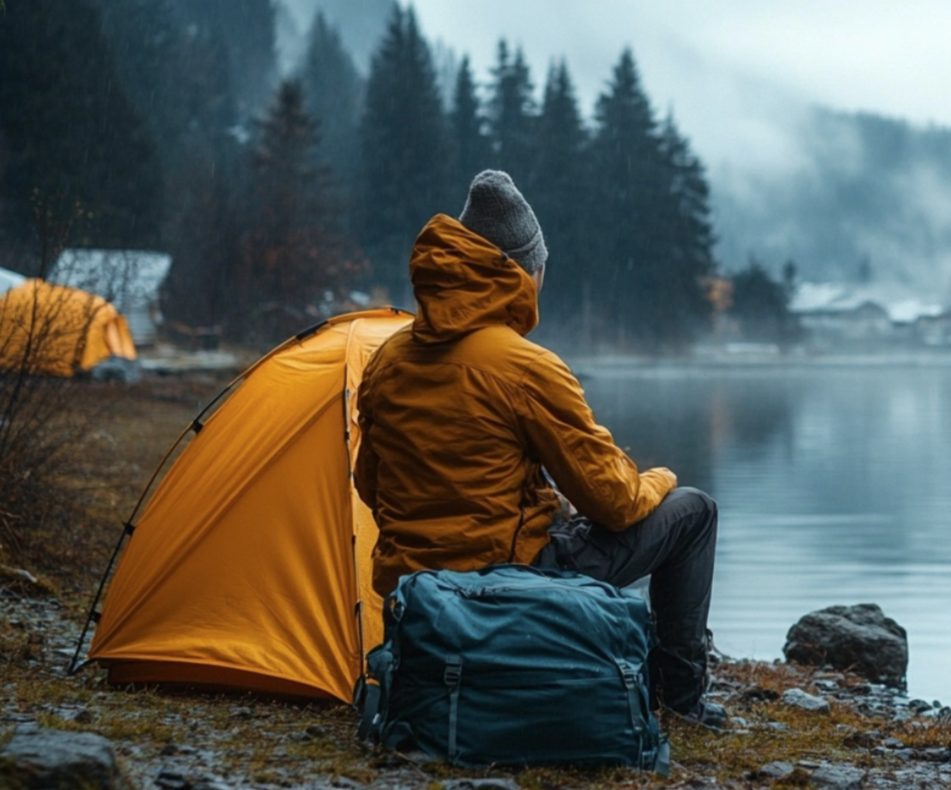
There’s nothing quite like the thrill of disconnecting from the hustle and bustle of everyday life and immersing yourself in the great outdoors. Whether it’s the calm of the wilderness, the crisp fresh air, or the sense of adventure that draws you, camping offers the perfect escape to reset and recharge. But as rewarding as it is, a successful camping trip requires more than just a desire to explore — it takes preparation.
From seasoned campers to first-timers, everyone benefits from knowing what to pack. Forgetting key essentials can turn a fun trip into a stressful scramble. Picture this: you arrive at your picturesque campsite, only to realize you left your flashlight behind or didn’t pack enough layers for the chilly nights. Suddenly, your serene nature retreat feels a bit more like survival.
To help ensure your next camping adventure is both enjoyable and hassle-free, we’ve put together a list of 10 must-have essentials. These outdoor recreation and camping supplies will keep you safe, comfortable, and well-prepared, so you can focus on what matters most: enjoying nature. Whether you’re planning a weekend getaway or a multi-day trek, these essentials will cover all your bases.
1. Shelter and Sleeping Gear
One of the most important factors in any camping trip is your ability to rest comfortably and stay protected from the elements. After a long day of hiking, fishing, or simply enjoying the great outdoors, the last thing you want is to spend the night tossing and turning. A reliable shelter and comfortable sleeping setup can make or break your trip.
When it comes to shelter, your options vary depending on the environment and your style of camping. A traditional tent remains the go-to choice for most campers. Tents come in various sizes and types, from ultralight backpacking tents to roomy family tents. The key is to choose a tent that provides adequate space and is suited for the terrain and weather conditions. For those who prefer a more minimalist experience, tarps or hammocks can also serve as great alternatives, especially in fair weather or wooded areas where trees provide natural shelter and support.
Beyond the shelter, your sleeping gear is equally important. A quality sleeping bag is essential for staying warm at night, especially if temperatures drop unexpectedly. Choose a sleeping bag that’s rated for the coldest conditions you expect to face, and don’t underestimate how much warmth you might need, even in seemingly mild weather. Pair your sleeping bag with a sleeping pad or air mattress for insulation and comfort. Sleeping pads not only soften the hard ground beneath you but also prevent the cold from seeping in, helping you maintain body heat throughout the night.
For extra comfort, consider adding a lightweight camping pillow or simply using a stuff sack filled with soft clothes. Sleeping comfortably outdoors isn’t a luxury—it’s a necessity to ensure you wake up refreshed and ready for more adventure the next day.
2. Navigation Tools
Getting lost in the wilderness is no joke. Whether it’s a trusty compass, a physical map of the area, or a GPS device, it’s essential to have tools that help you navigate the trails. Don't forget a backup battery or power bank for any electronic devices.
3. Fire-Starting Equipment
Fire is a crucial part of any camping experience, providing warmth, light, and a way to cook your meals. Whether you’re roasting marshmallows with family or warming up after a chilly day of hiking, knowing how to start a fire—and having the right tools to do it—can make all the difference.
It’s important to have multiple ways to start a fire in case one method fails. Waterproof matches are a reliable choice and can be a lifesaver if you encounter wet conditions. However, many campers also carry a sturdy lighter, which offers a quick and easy way to get a flame going. For those who prefer a more traditional approach or want to be extra prepared, a magnesium fire starter or flint and steel kit can be invaluable. These tools are not dependent on fuel and work in various weather conditions, making them excellent backups.
In addition to fire-starting tools, don’t forget to pack tinder or kindling. Natural fire-starting materials like dry leaves, bark, or pine needles can often be found around your campsite, but it’s a good idea to bring along some of your own. Pre-made fire starters, such as wax-coated cotton balls or commercial fire sticks, are lightweight and ignite easily, providing an instant boost to your fire-building efforts—especially in damp or humid environments where finding dry tinder can be a challenge.
Once your fire is lit, maintaining it requires dry firewood and careful attention. Depending on the rules of the area where you’re camping, you may need to bring your own firewood or gather it responsibly from the environment. Always check local guidelines to ensure you’re not disturbing natural habitats.
Finally, safety is paramount. Be mindful of where you build your fire—choose a clear area away from overhanging branches, and make sure your fire pit is constructed properly with stones or a designated fire ring. Always keep water or dirt nearby to fully extinguish the fire before leaving the campsite or turning in for the night.
4. Portable Lighting
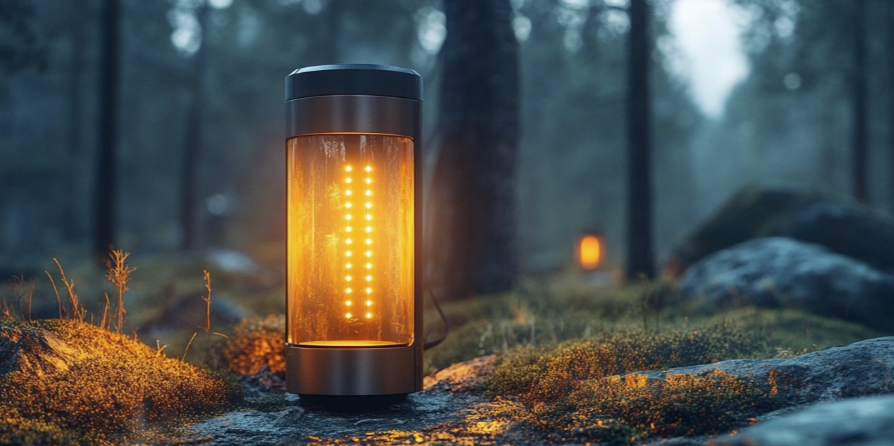
When night falls, you’ll need a source of light to navigate your campsite or take late-night hikes. A sturdy flashlight, a headlamp, or even a lantern are essential to keep things illuminated after dark. Make sure to bring extra batteries or a solar-powered option to stay prepared.
5. First Aid Kit
No matter how carefully you plan your outdoor adventure, accidents can happen. From minor scrapes and blisters to more serious injuries, having a well-stocked first aid kit is essential for any camping trip. A good first aid kit provides peace of mind, ensuring that you're prepared to handle common injuries and illnesses that may arise while you're miles away from medical facilities.
When packing a first aid kit, the key is to anticipate potential risks based on the environment and the activities you plan to do. A basic kit should always include bandages in various sizes, adhesive tape, gauze pads, and antiseptic wipes to clean wounds and prevent infection. Additionally, include antibiotic ointment to promote healing and reduce the chance of infection in minor cuts and scrapes.
For more active campers, such as hikers or climbers, it’s important to bring blister care items, like moleskin or blister bandages, to prevent or treat friction-related injuries. These can be lifesavers on long treks where foot comfort is critical. Tweezers are another must-have, useful for removing splinters, ticks, or other debris that might get embedded in your skin while exploring the outdoors.
Pain relievers like ibuprofen or acetaminophen can help with headaches, muscle aches, or injuries sustained during physical activities. It’s also wise to pack antihistamines to treat allergic reactions, whether they’re from insect bites, plant irritants like poison ivy, or seasonal allergies. If you're venturing into areas with heavy mosquito or tick populations, consider adding insect bite ointment to reduce swelling and discomfort.
Don’t forget personal medications—if anyone in your group has allergies, asthma, or any other medical conditions, make sure to pack any necessary prescription medications, including an epinephrine auto-injector if someone is at risk for severe allergic reactions.
For outdoor environments with fluctuating weather, include sunscreen and lip balm with SPF to protect against sunburn, and pack burn ointment in case of fire or cooking-related mishaps. If you're camping in colder climates, include hand warmers and a space blanket, as hypothermia can set in faster than expected when temperatures drop at night.
Lastly, ensure that your first aid kit is in a waterproof container to protect its contents from rain, spills, or damp conditions. It's also a good idea to familiarize yourself with basic first aid techniques before heading out. Knowing how to properly clean wounds, wrap sprained ankles, or perform CPR can be invaluable in an emergency situation.
6. Water and Filtration Systems
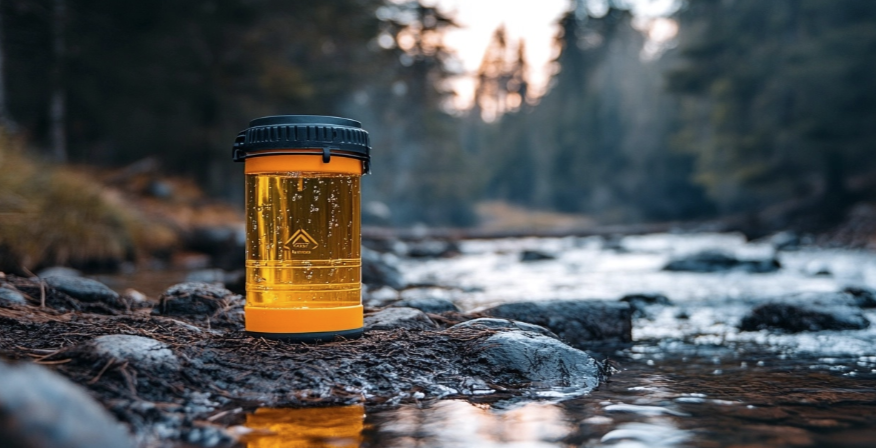
Staying hydrated is critical when you're out in nature. Pack enough water for your trip, and bring along a water filtration system or purification tablets in case you need to refill from natural sources like streams or lakes. This ensures you always have access to safe drinking water.
7. Multi-Tool or Knife
A versatile tool like a multi-tool or knife can come in handy in countless ways while camping. From preparing food to fixing gear or even building shelter, a durable, all-purpose tool is a must for any camper.
8. Camp Cooking Gear
You don’t have to sacrifice good meals while camping. Bring along portable cookware, lightweight utensils, and a portable stove if open fires aren’t allowed. Opt for simple, non-perishable foods and consider packing a cooler to keep perishables fresh.
9. Clothing Layers
When it comes to outdoor adventures, the right clothing can be just as important as your shelter or fire-starting gear. The weather can be unpredictable, especially in remote areas, where temperatures can fluctuate dramatically between day and night. Proper layering ensures you stay comfortable in various conditions, whether you're sweating under the midday sun or feeling the chill of a mountain breeze.
Layering is all about versatility. It allows you to add or remove clothing based on your activity level and the environment, helping you maintain an ideal body temperature. The key to a good layering system is to include three essential layers: a base layer, a mid-layer, and an outer layer. Each serves a specific purpose, and together, they keep you protected from the elements.
Base Layer: This is the layer that sits closest to your skin, and its primary function is moisture management. When you’re hiking, camping, or doing any physical activity, your body produces sweat. If that moisture lingers on your skin, it can cool you down too quickly in colder weather, or make you feel clammy and uncomfortable in warmer conditions. A moisture-wicking base layer made from materials like merino wool or synthetic fabrics will pull sweat away from your body, keeping you dry and regulating your temperature. Avoid cotton as it absorbs moisture and dries slowly, making it a poor choice for active outdoor wear.
Mid-Layer: The mid-layer is your insulation. This layer is responsible for retaining body heat and keeping you warm when the temperature drops. Fleece jackets, down vests, or lightweight insulated jackets are common choices for mid-layers. The right mid-layer depends on the expected weather conditions; for colder environments, a thicker or more insulated layer will be necessary. For warmer climates, a thinner mid-layer may be sufficient. This layer can be added or removed as needed throughout the day to prevent overheating or chills.
Outer Layer: Also known as the "shell," the outer layer is your shield against the elements. Whether you're dealing with rain, wind, or snow, this layer should be waterproof, windproof, and breathable. A good shell jacket will protect you from getting wet or being exposed to windchill while still allowing sweat to escape. Many shell jackets come with ventilation options like pit zips, which can help you manage body heat during strenuous activities. If you're expecting particularly harsh weather, look for an outer layer with a durable water-repellent (DWR) finish to ensure maximum protection.
In addition to these three core layers, there are some other clothing items you shouldn’t overlook. Hats and gloves are essential for protecting extremities from the cold. Even in warmer weather, a lightweight hat can provide sun protection, while a beanie and gloves can make all the difference on chilly mornings or evenings. Pack an extra pair of socks to keep your feet dry, and consider wool or synthetic materials that wick away moisture and provide cushioning for long hikes.
Footwear is another critical consideration when it comes to layering. Waterproof hiking boots or trail shoes with good ankle support are key for more rugged terrain, while breathable trail runners or sandals may be more appropriate for lighter hikes in hot weather. Whatever footwear you choose, make sure they’re broken in before your trip to avoid painful blisters.
Don’t underestimate the importance of packing extra layers. Weather can change rapidly, and having an additional jacket, hoodie, or thermal layer on hand can be a lifesaver when temperatures drop unexpectedly. Packable, lightweight layers are especially useful as they take up little space in your backpack but provide added warmth when needed.
10. Waste Disposal Bags
Respecting nature means leaving no trace. Carry bags to store your trash and leftover food, and follow the principles of Leave No Trace by packing out everything you brought in. This keeps campsites clean and preserves the environment for future campers.
Camping is an opportunity to escape the stresses of daily life, reconnect with nature, and enjoy a sense of adventure and tranquility. But, as with any outdoor experience, preparation is key. Packing the right essentials not only keeps you safe but ensures you’re comfortable and ready to embrace whatever the wild has to offer. From sturdy shelter and warm sleeping gear to the right clothing layers and fire-starting tools, these 10 must-have essentials will set you up for a smooth, enjoyable camping trip.
Remember, camping isn’t just about surviving in the wilderness—it’s about thriving in it. With the right gear and a little planning, you can make lasting memories around the campfire, take in breathtaking views, and experience the joys of the great outdoors without worry. So the next time you plan an adventure, take a moment to double-check your packing list, ensure you’ve covered the essentials, and get ready for a trip you won’t forget.
Here’s to a great adventure, happy camping!
About the Author